Burst Pipe Repair in Naugatuck, CT
FlowFix repairs burst pipes, thaws frozen lines, and replaces failing plumbing in Naugatuck homes — built for New England winters and the borough's oldest housing stock.
What we do
Pipe Services for Naugatuck Homes
From a split copper line behind a basement wall to a frozen main that needs thawing before it bursts — these are the jobs we do every winter in Naugatuck.
Burst Pipe Repair
We cut out the burst section and join new pipe with proper couplings — soldered copper or crimped PEX — so the repair holds through the next freeze.
Burst pipe repairFrozen Pipe Thawing
A frozen pipe that hasn't burst yet can still be saved. We thaw it safely with controlled heat — never an open flame — and check the full run for weak spots.
Frozen pipe thawingEmergency Pipe Repair
Water pouring from a ceiling at 2 a.m. can't wait until morning. We respond to pipe emergencies around the clock across Naugatuck and the 06770 area.
Emergency pipe repairPipe Replacement & Repiping
When corrosion or age has weakened a whole run, spot repairs stop making sense. We replace failing sections or repipe with modern PEX built for freeze cycles.
Pipe replacementLeak Detection
A damp spot on a wall or a water bill that jumped for no reason — we track hidden leaks to their source before they become burst-pipe emergencies.
Leak detectionWinter Pipe Protection
Insulation, heat cable, shutoff planning, and thermostat strategy — the prevention work that keeps Naugatuck pipes intact through January and February.
Winter pipe protectionWhy Naugatuck
Why Naugatuck Pipes Burst in Winter
It isn't bad luck. It's physics meeting housing stock — and Naugatuck has both halves of the equation.
January in Naugatuck averages a low of about 22°F, and the borough sits in a river valley where cold air pools overnight. That means long stretches where temperatures never climb above freezing — the exact conditions that split water lines.
Then there's the housing. More than a quarter of Naugatuck's owner-occupied homes were built before 1950, and many in Millville and Union City date to 1939 or earlier. Those homes often still carry galvanized steel or early copper supply lines — materials that corrode from the inside until a freeze provides the final push.
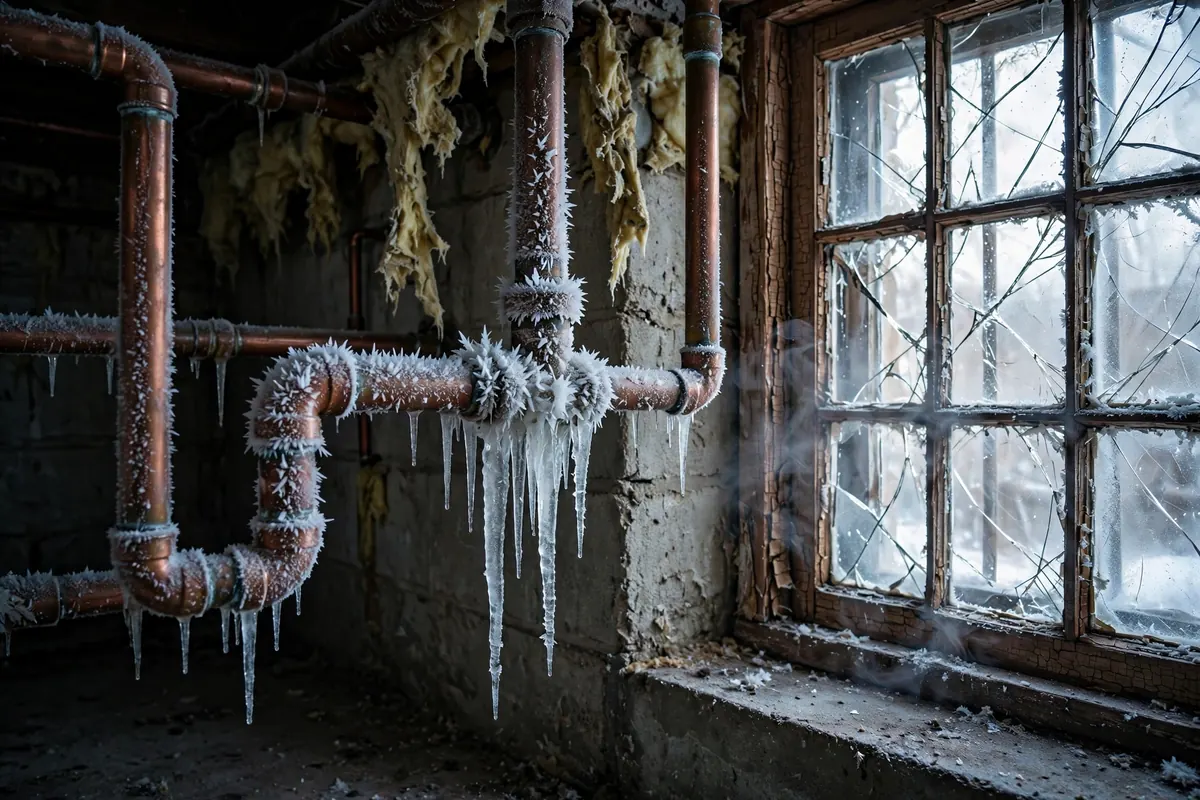
When water freezes, it expands by roughly nine percent. Inside a rigid pipe, that expansion has nowhere to go. Pressure spikes, the pipe wall gives way — usually a split of one to six inches — and you don't see a drop of water until the ice thaws, hours after the cold snap that caused it.
How it works
What Happens When You Call
- Shut off the water.
If you haven't already, we'll talk you through finding your main shutoff valve — usually where the line enters the house — before we arrive.
- We find the break.
We trace the leak to its source, open up only what needs opening, and assess whether it's an isolated split or a sign of wider pipe failure.
- We cut and replace.
The burst section comes out. New pipe goes in with proper couplings — soldered, crimped, or expansion-fit depending on the material.
- We pressure-test.
Water goes back on slowly while we watch every joint. No drips, no weeps, no surprises behind the wall.
- We talk prevention.
Before we leave, we'll tell you what caused this one and what would stop the next — insulation, rerouting, or a repipe if the system is done.
Local knowledge
Built for Naugatuck Ground, Not Generic Ground
Valley cold snaps
Naugatuck's river-valley geography traps cold air overnight. We know which streets and elevations freeze hardest, and we route and insulate accordingly.
Pre-war plumbing
Galvanized steel and early copper behave differently under freeze stress. We've worked in enough 1920s–1950s Naugatuck homes to read the system before we cut.
Permit handling
Stopping an active leak needs no permit in Naugatuck. Cutting out and replacing concealed pipe usually does. We handle the permit side where the job requires it.
Where we work
Areas We Serve
Five Naugatuck neighborhoods, one borough-wide response. Every area page covers the local housing and freeze exposure that shape the work there.
 Oldest housing stock
Downtown / Naugatuck Center
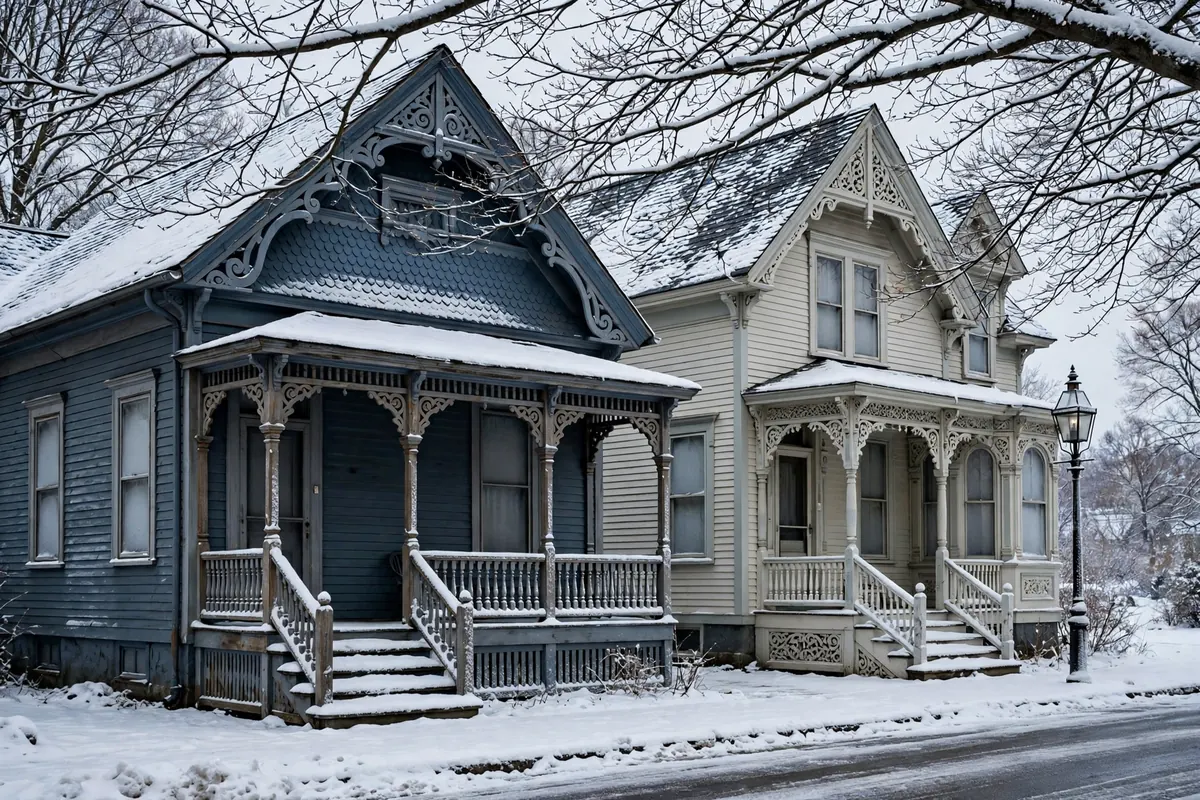
Victorian and Queen Anne homes on Church, Meadow, and Water streets — the borough's oldest pipes. View area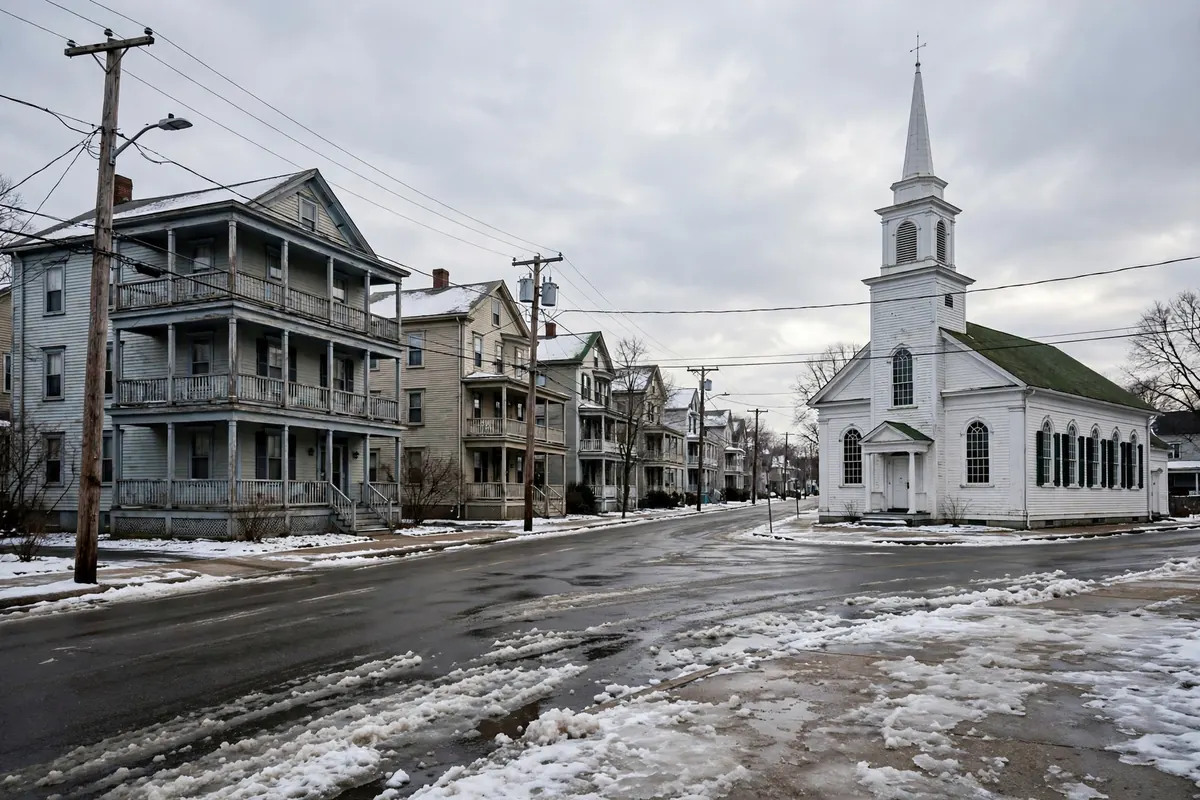 Dense older blocks
Union City
Former mill-worker housing east of the river — aging supply lines in compact lots. View area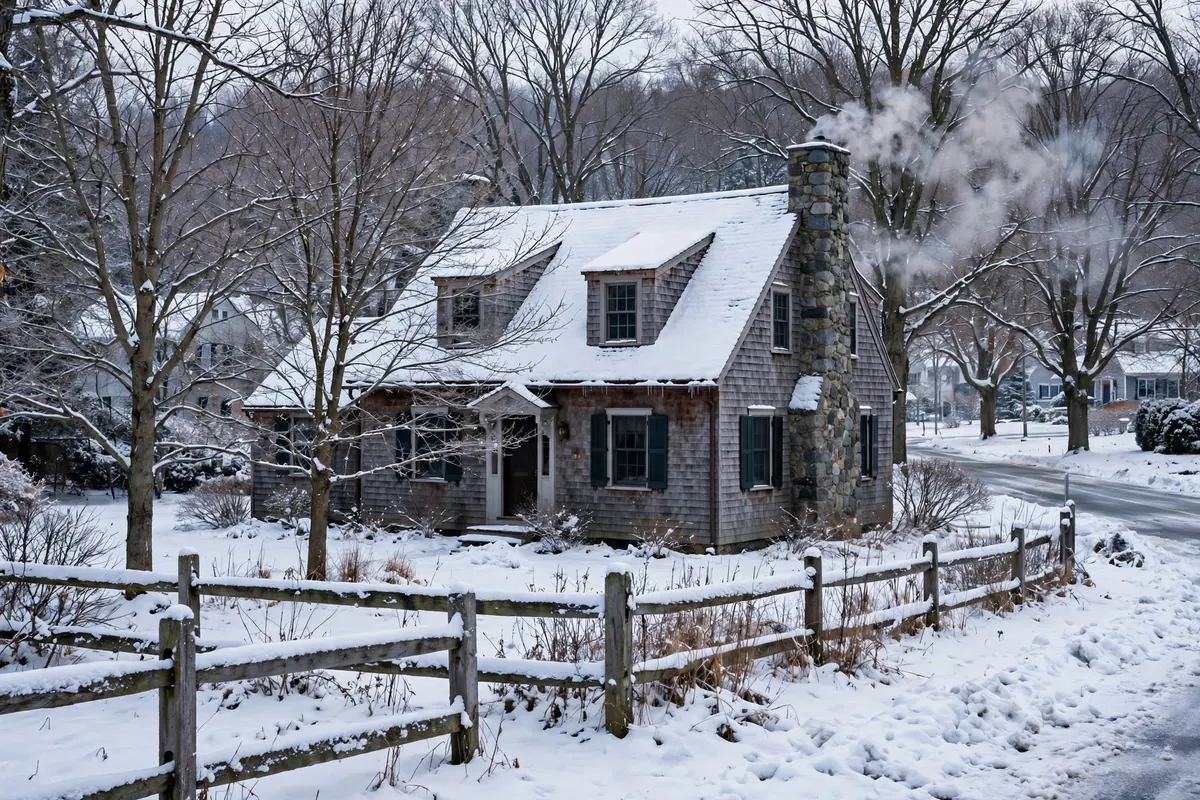 1930s housing
Millville
West-side homes from 1939 and earlier — many with original plumbing runs. View area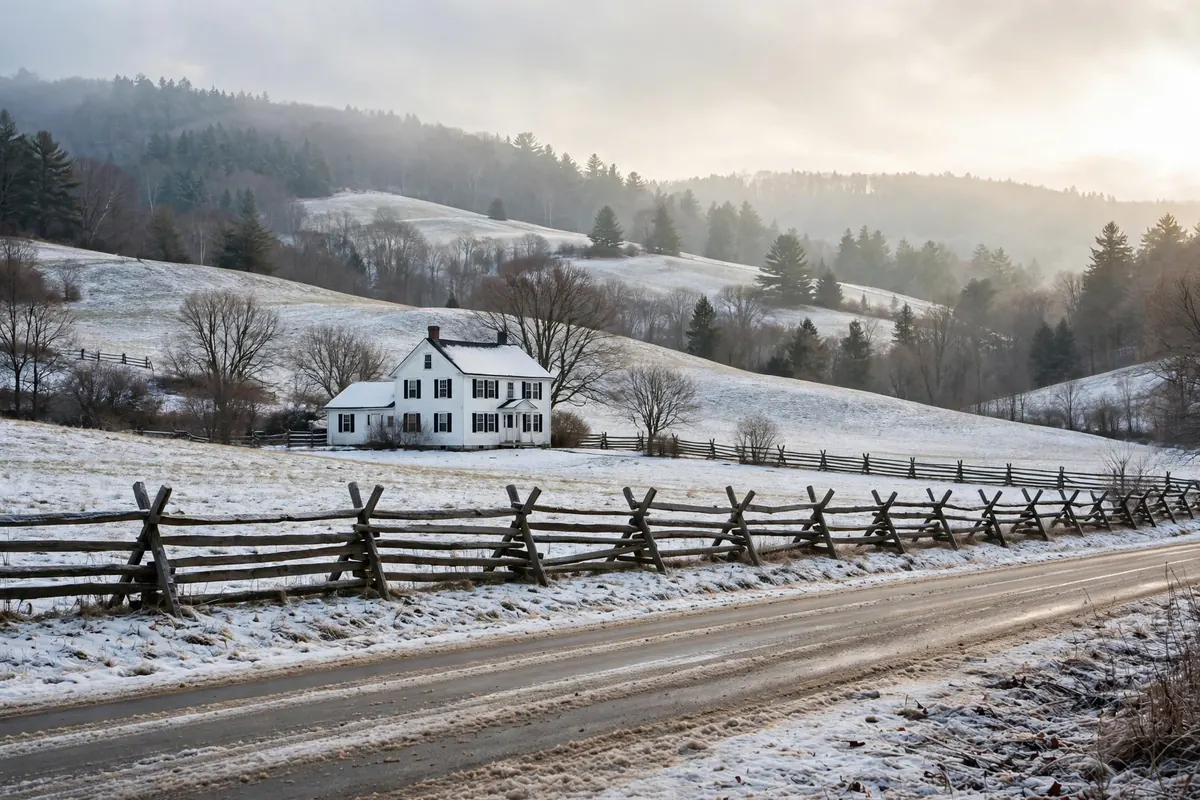 Longer pipe runs
Straitsville
Spread-out homes along Route 63 — longer runs and outbuildings to protect. View area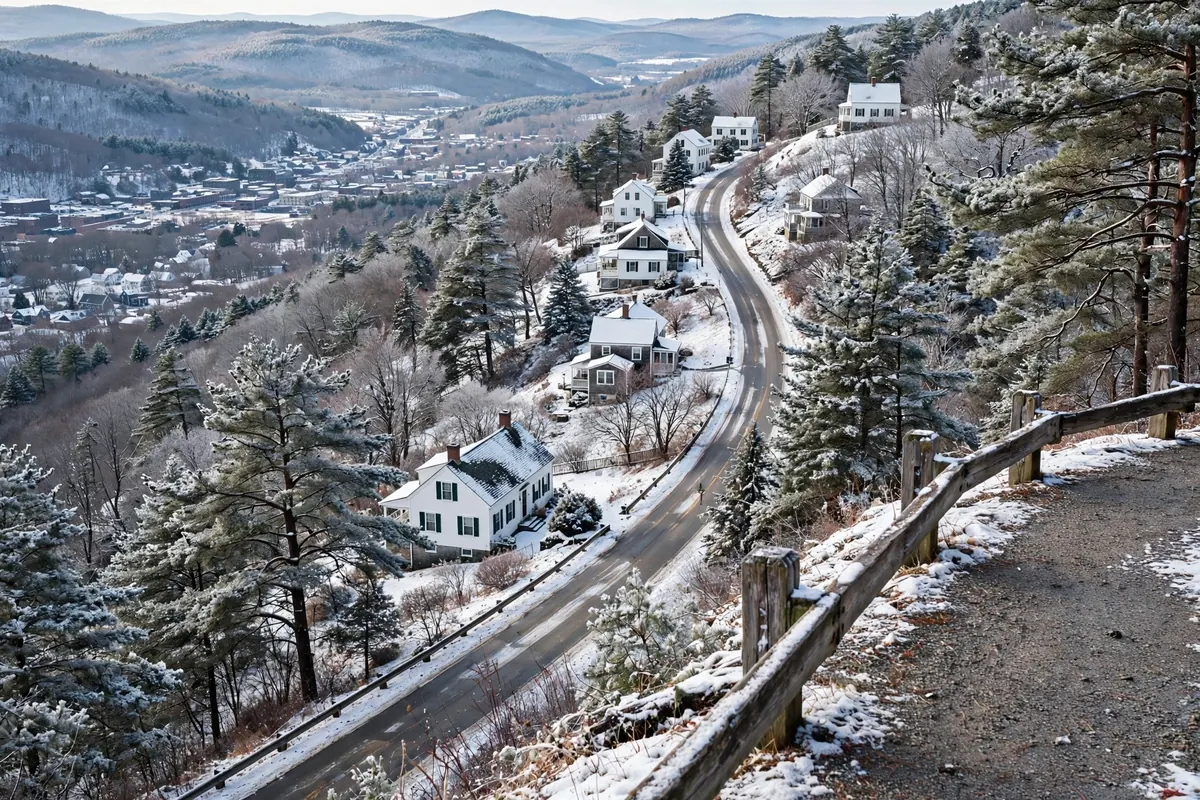 Wind-chill exposure
City Hill
Elevated homes on City Hill and Prospect streets — wind-driven freeze risk. View areaCommon questions
Frequently Asked Questions
What should I do first when a pipe bursts?
Shut off your main water valve first — it's usually where the water line enters the house, often in the basement near the water heater. Then open the lowest faucets in the house to drain remaining water and relieve pressure. If water is near outlets or the breaker panel, shut off electricity to that area. Move valuables out of the way, take photos for insurance, and call a plumber.
How much does burst pipe repair cost?
Every job is different — a single accessible split costs far less than a burst inside a finished wall with water damage. We price each job on what we find when we open it up. What we can tell you: catching it early, before water spreads, is always the cheaper outcome.
Can a frozen pipe be saved before it bursts?
Often, yes. If water has stopped flowing from a faucet during freezing weather but nothing has burst yet, the pipe can usually be thawed safely with controlled heat. The key is catching it before the ice expands enough to split the wall. Never use an open flame — a heat gun or hot towels, working from the faucet back toward the frozen section, is the safe approach.
Is burst pipe repair covered by homeowners insurance?
Typically, sudden and accidental burst-pipe damage — to walls, floors, and belongings — is covered. What's usually excluded: long-term slow leaks, damage from neglect, and freeze damage if the home was left unheated. Document everything with photos and video before cleanup. We're not insurance adjusters, so check your specific policy.
Do I need a permit for pipe repair in Naugatuck?
Stopping an active leak is permit-exempt under borough code. But if a concealed pipe has to be cut out and replaced with new material, that counts as new work and typically requires a permit and inspection. We handle the permit side wherever the job requires it.
How do I keep my pipes from freezing this winter?
Insulate exposed runs in basements, crawlspaces, and exterior walls. Keep the thermostat at 55°F or higher even when you're away. Open cabinet doors under sinks on exterior walls so warm air reaches the pipes. Let faucets drip slightly during extreme cold — moving water resists freezing. And know where your main shutoff valve is before you need it.
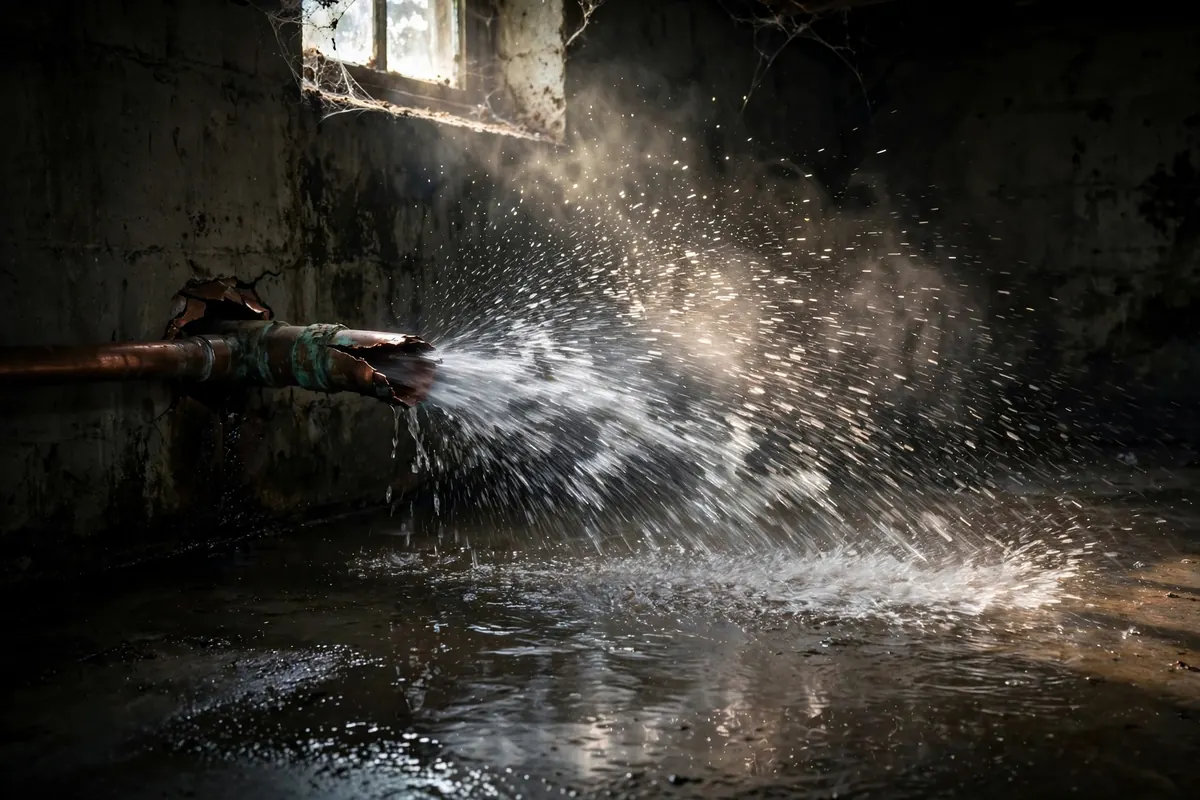
Pipe Burst in Naugatuck? Don't Wait for the Thaw.
Every hour water sits inside walls and floors, the damage spreads. Call FlowFix now — we'll stop the leak, fix the pipe, and tell you how to keep it from happening again.